BELUGA BOARDING - HUDSON BAY CANADA
BELUGA BOARDING EXPEDITION - Canada
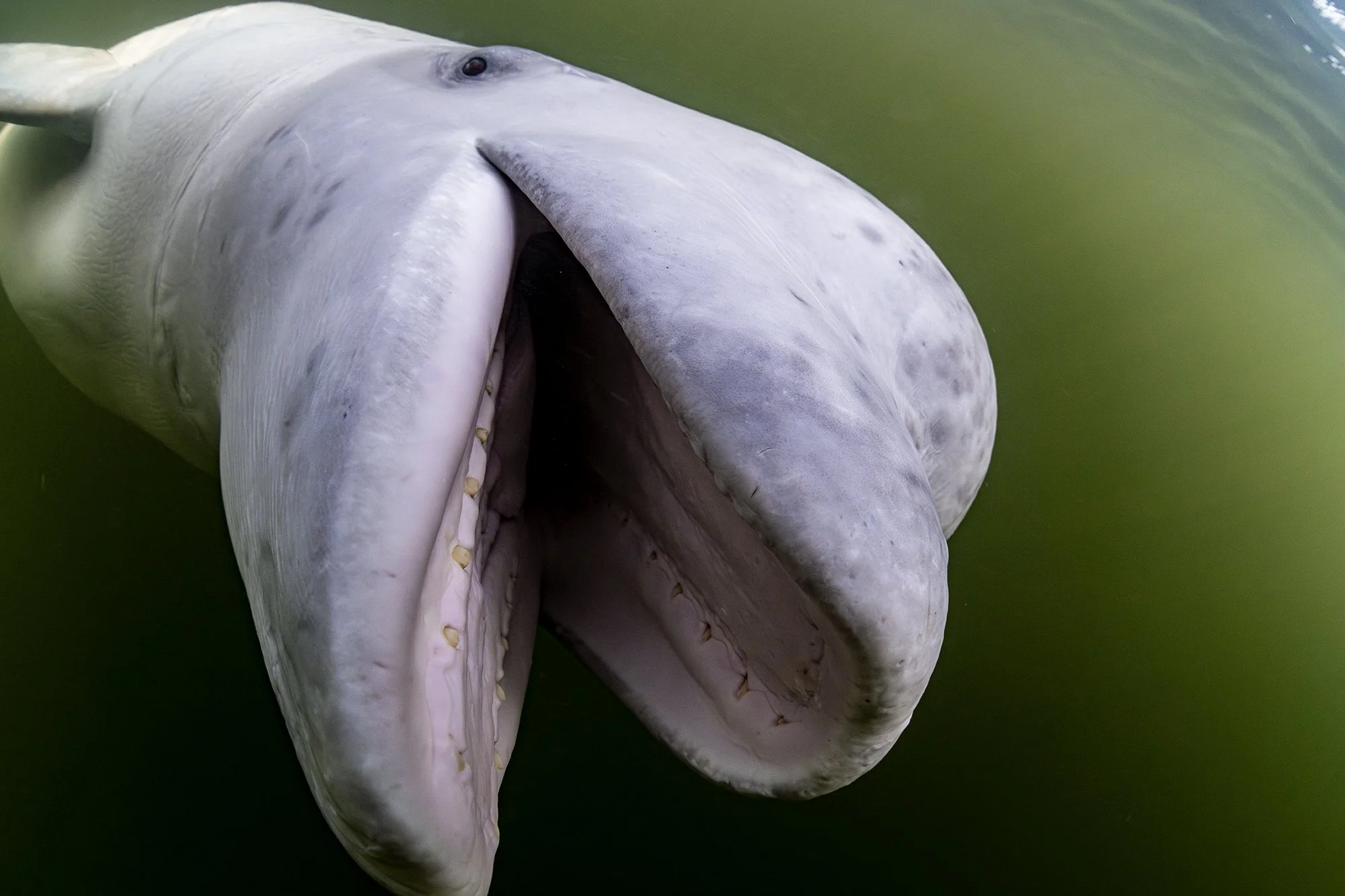
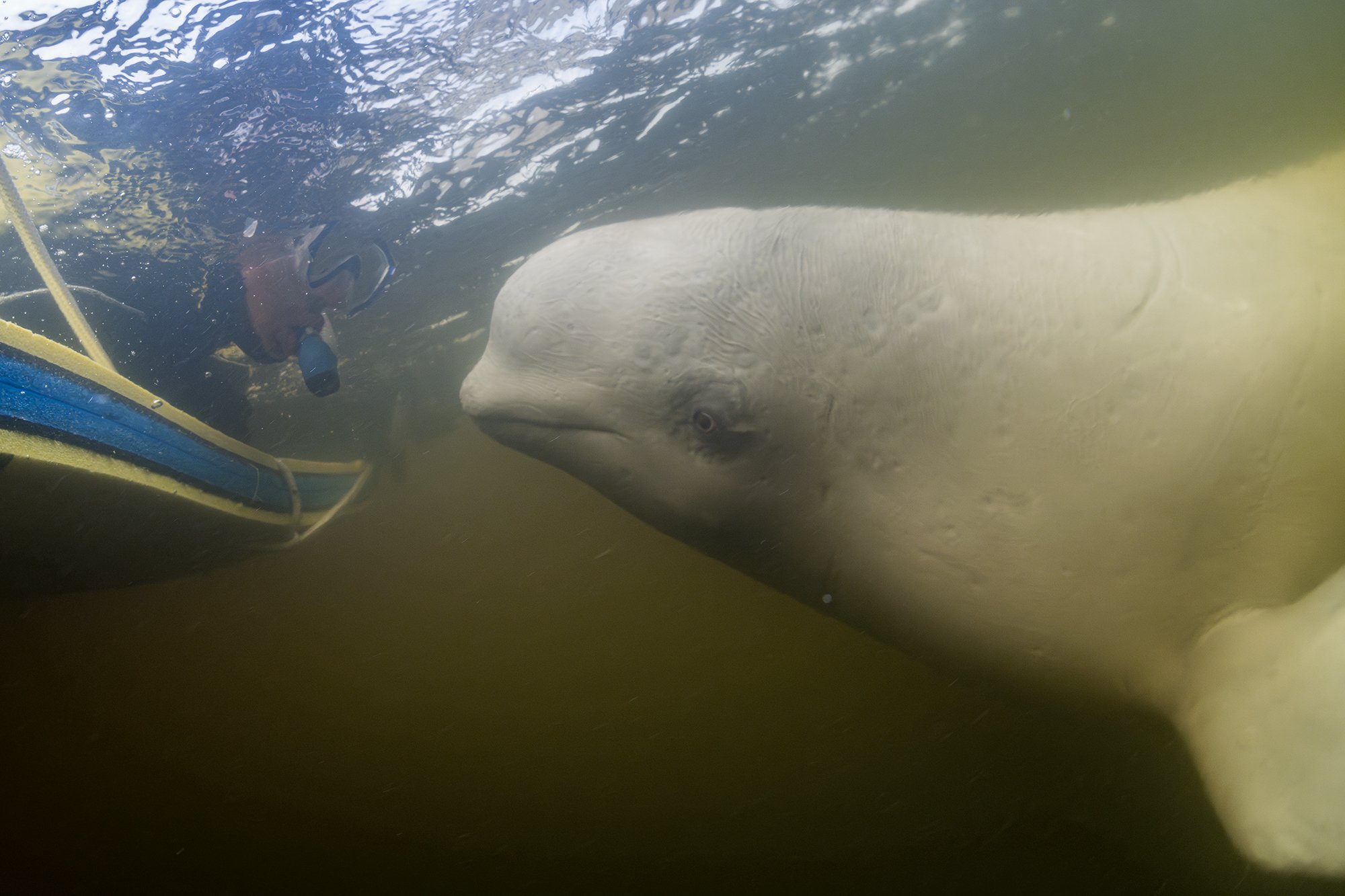
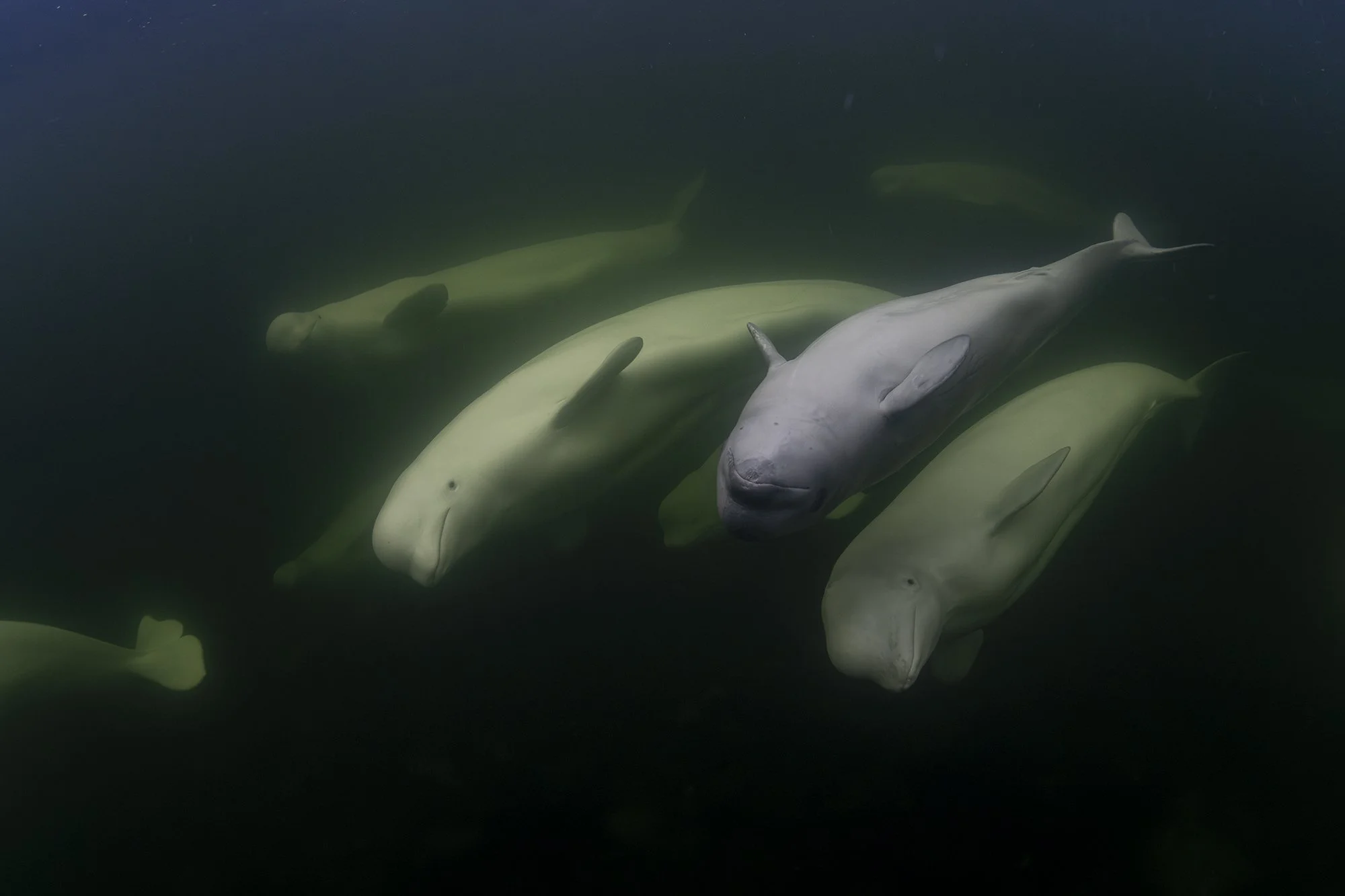
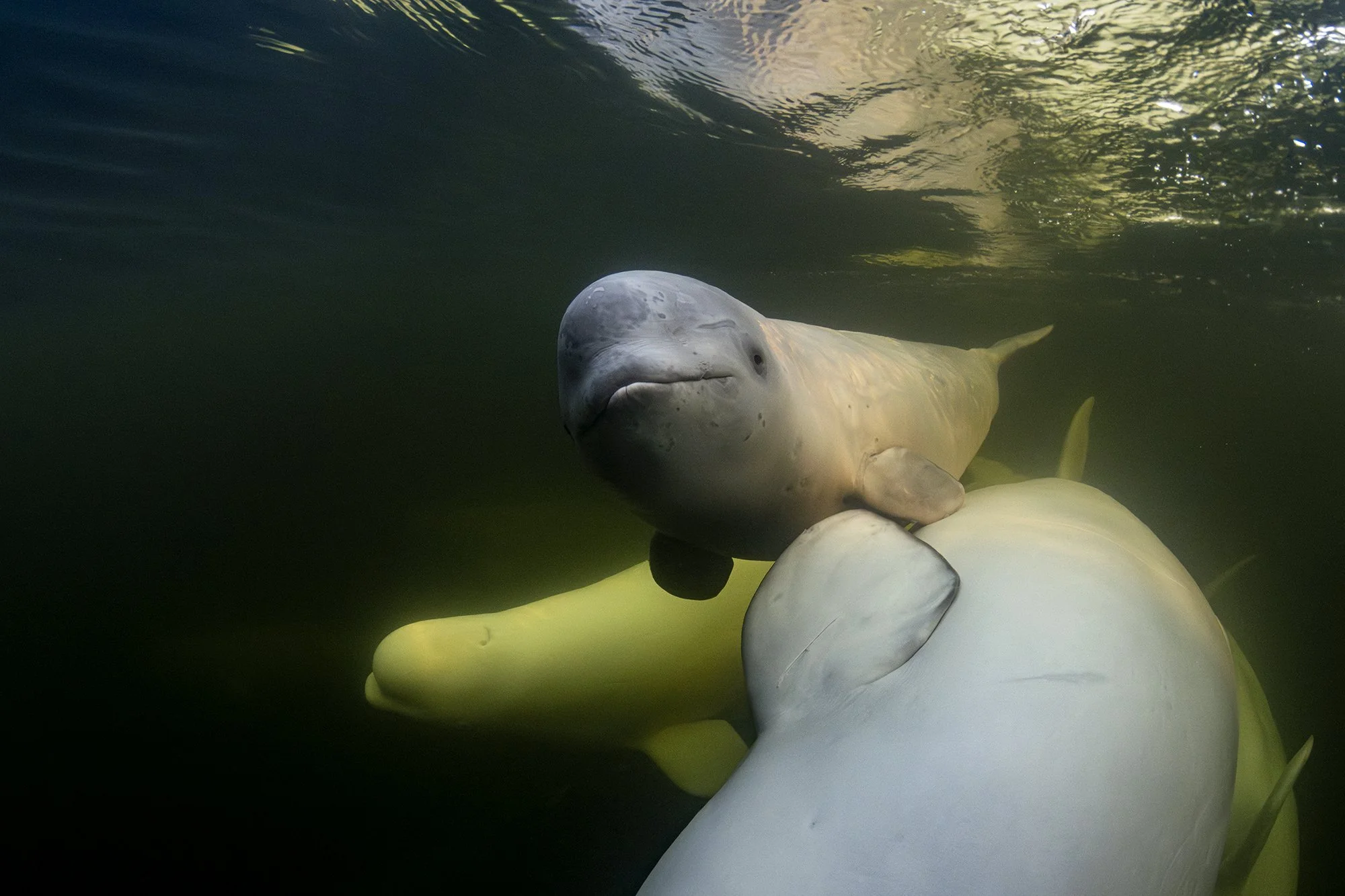
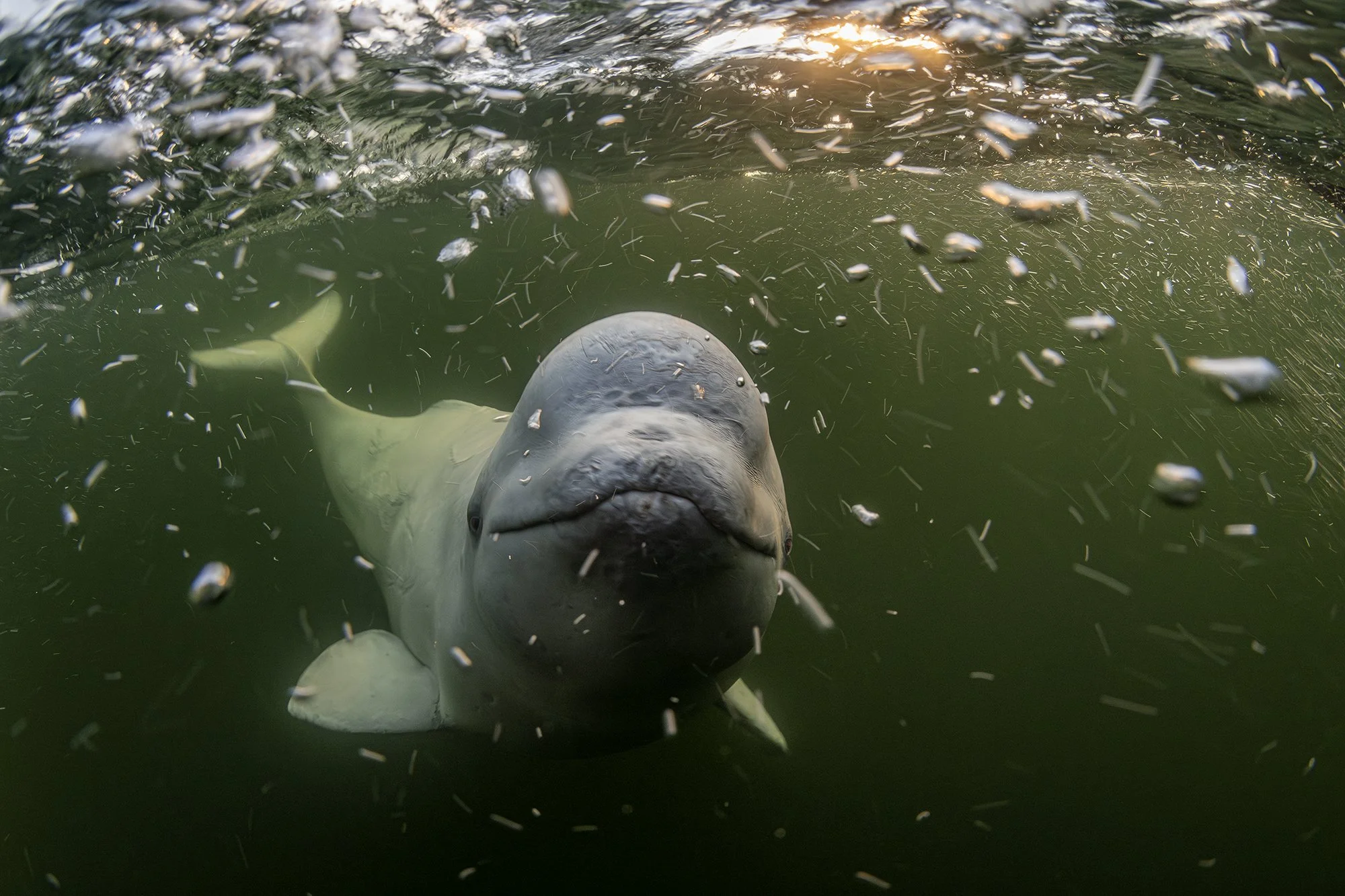
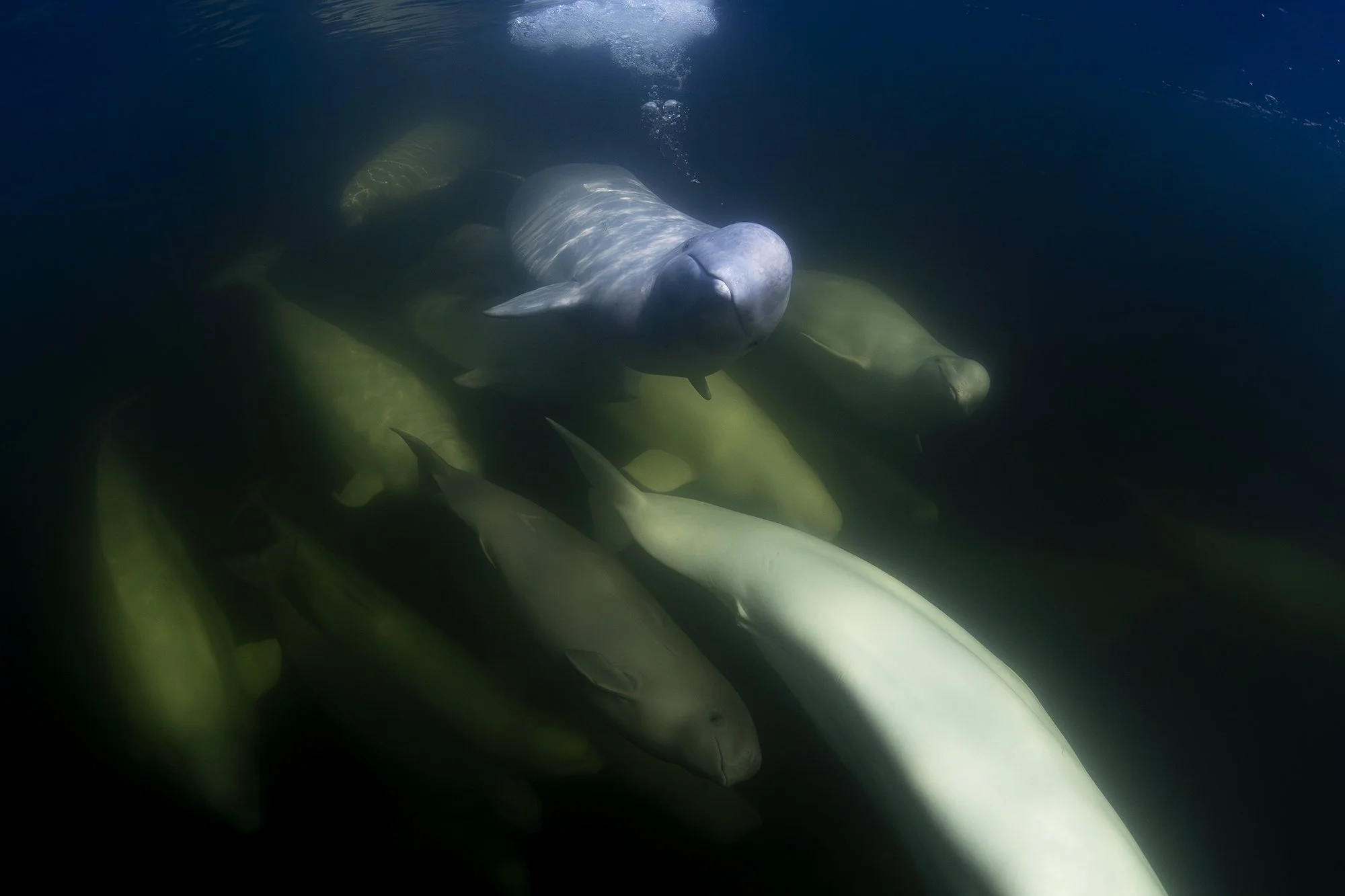
Imagine being eye to eye with a pod smiling beluga whales in their natural habitat. There is a special place, unique the world over, where these charismatic giants of the north are so used to people that they will come to play with us on their terms. There is nothing like peering under the surface to see and hear these massive white whales and witness their curiosity and behavior.
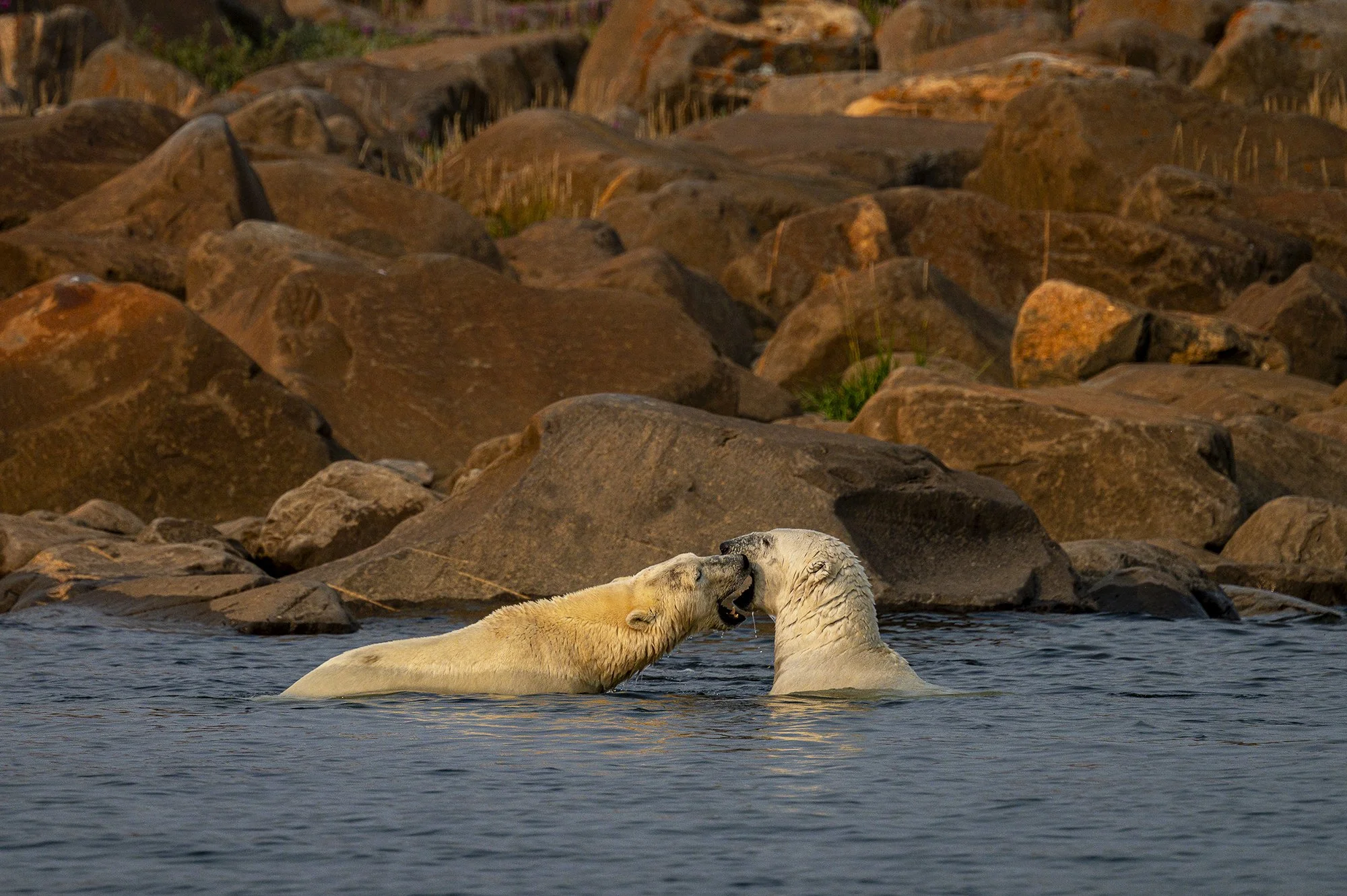
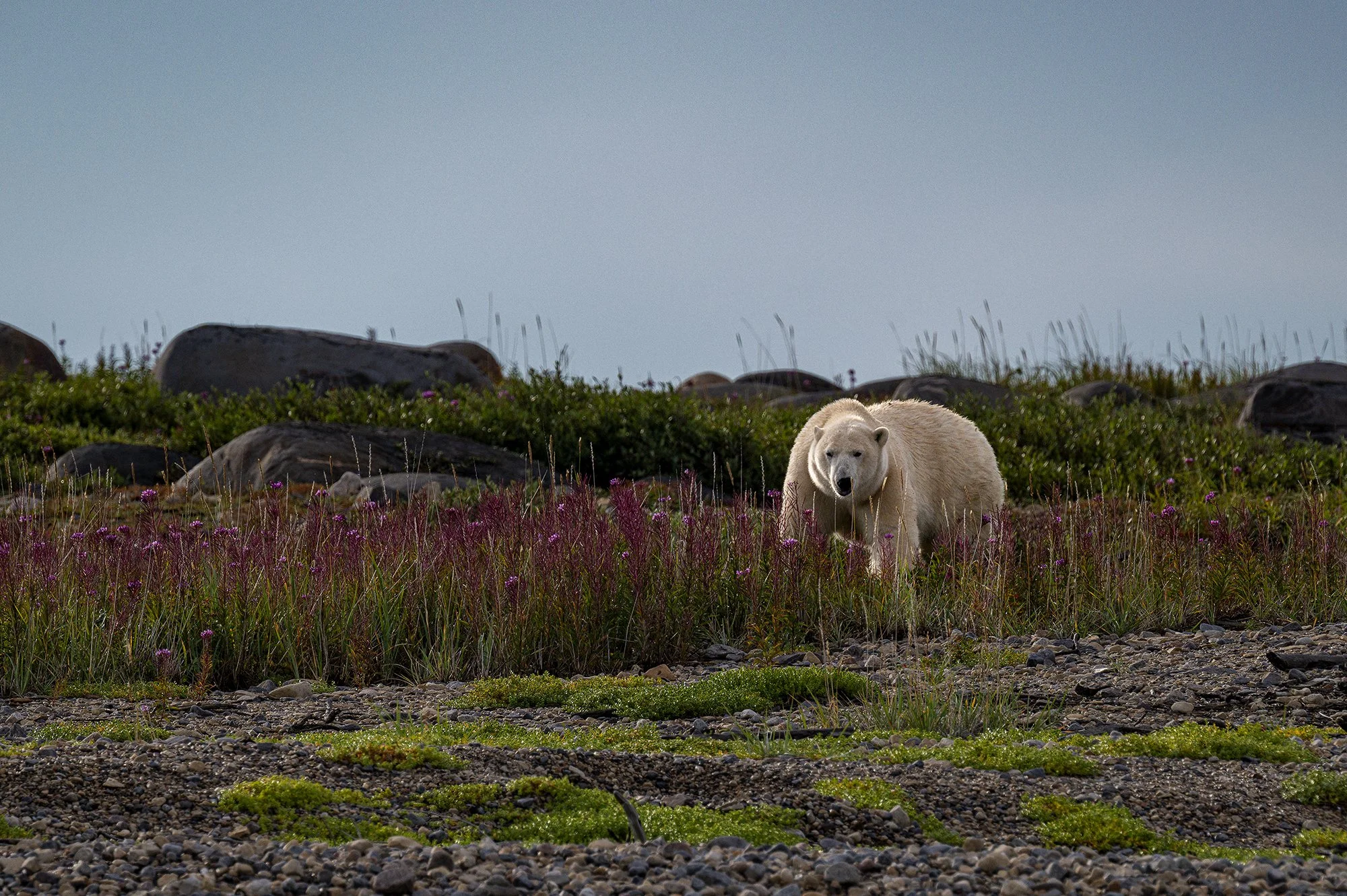
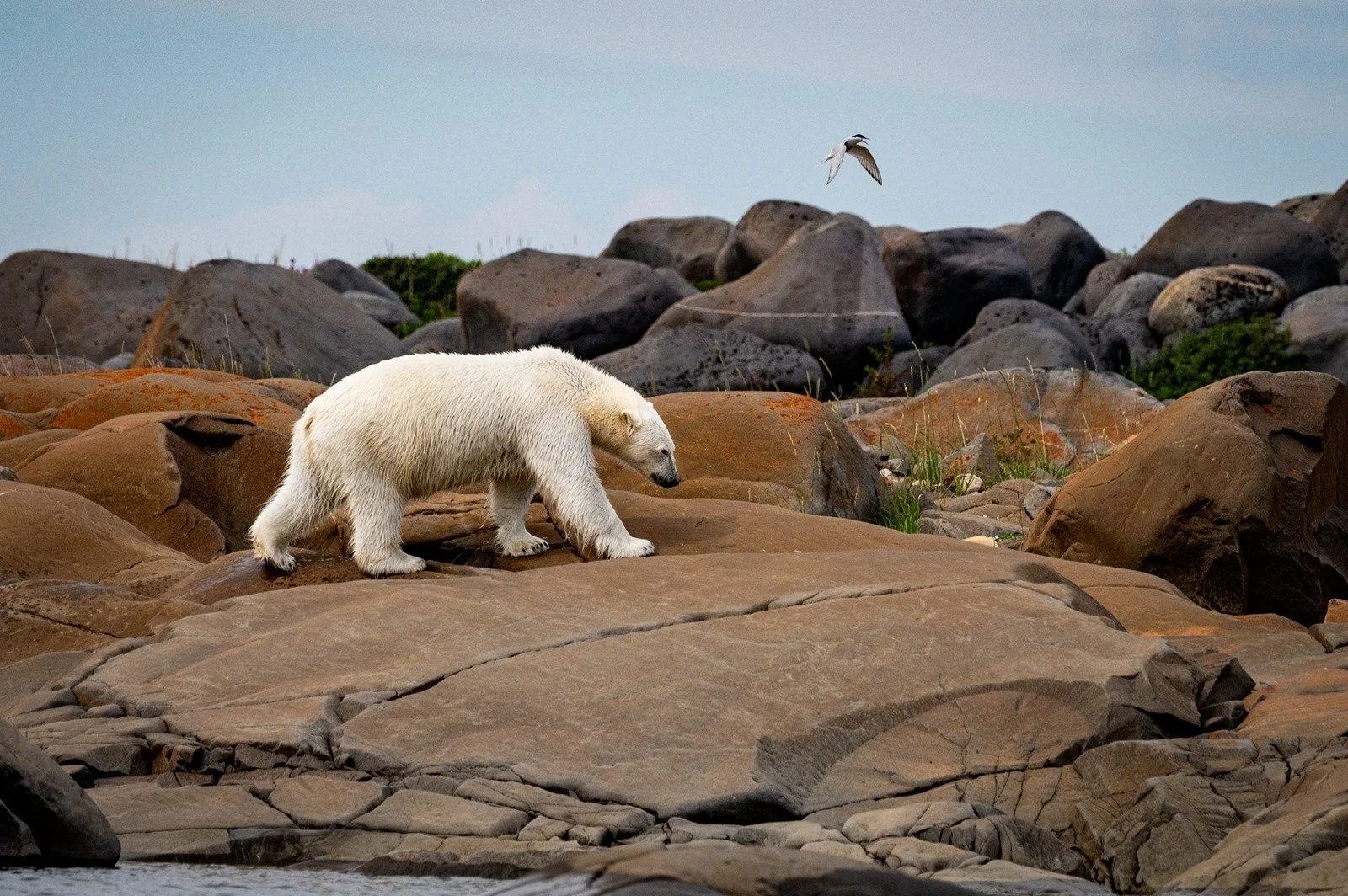
But wait, there’s more! At the time of year that we are going there is also a great chance to see the king of the Arctic – the mighty polar bear. As if that wasn’t enough, it’s also a great time of year to see the aurora borealis or Northern lights. Churchill, Manitoba is a special place for these reasons and so many more.
What is Beluga Boarding?
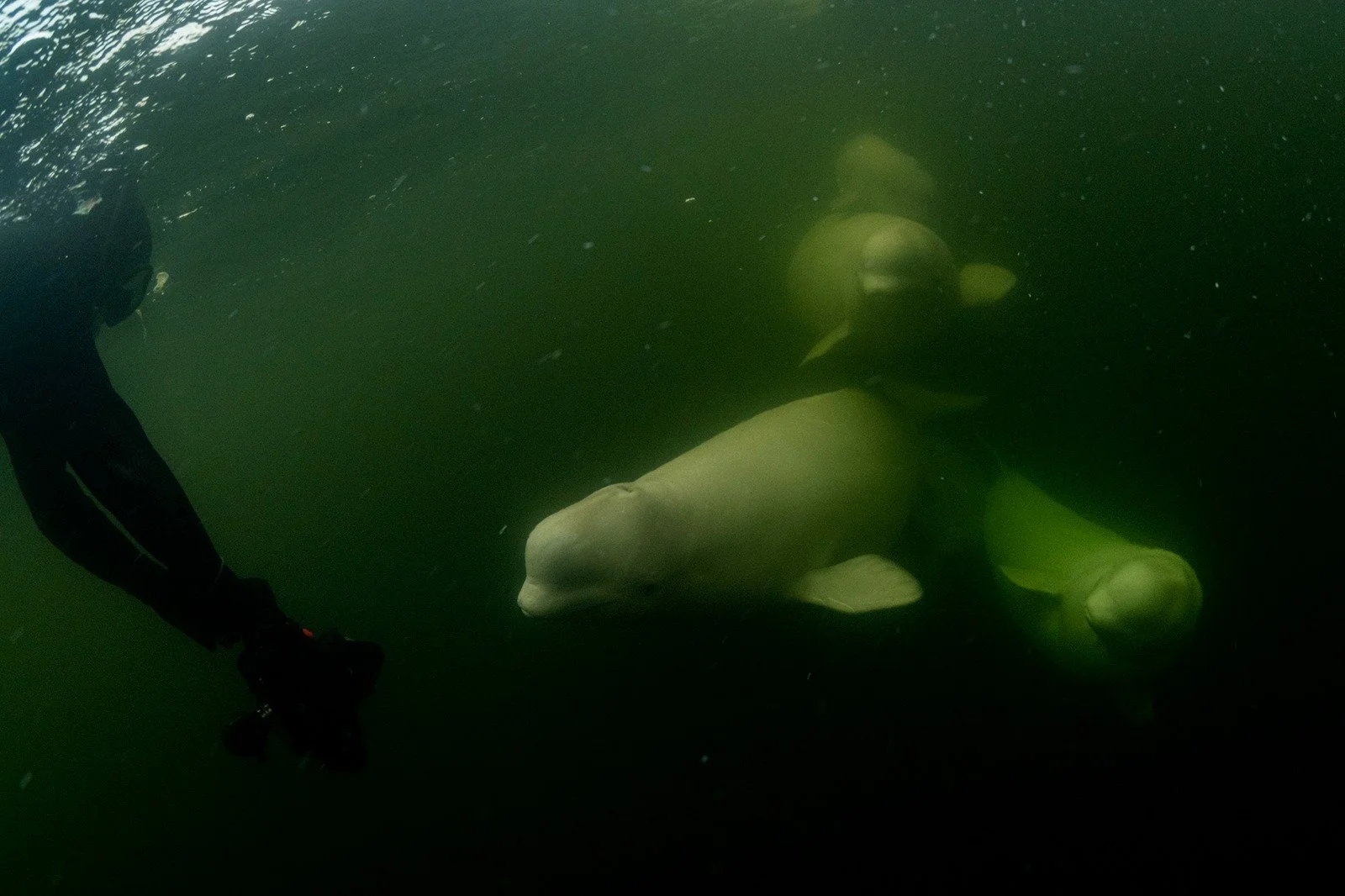
Each day at high tide our small group of 4 guests, plus guide, will head out on military-grade zodiacs in search of beluga whales. Once we find a curious pod, we will launch the “Beluga Board” which is a floating matt that two people can climb on to (wearing thick wetsuits or drysuits, gloves, booties, and hood, mask, and snorkel) and lay on to be slowly towed behind the boat. You can put your face and camera in the water to see eye to eye with the whales and listen to their complex clicks, whistles, grunts, and other vocalizations. There is nothing like it. The movement of the boat is slow enough that it’s easy to hang on to your camera, but just fast enough to keep the playful whales engaged.
2026 Expedition Dates- Hudson Bay, Canada
$5,500 USD pp
Session 1A - July 20 - July 27 (Sold Out)
Session 1 - August 3 - August 10 (Sold Out)
Session 2 - August 10 - August 17 (Sold Out)
Session 3 - August 17 - September 24 (Sold Out)
INCLUSIONS
5 days beluga boarding
Accommodation
Transfer to/from airport
Breakfast
Digital photos
EXCLUSIONS
Airfares- Airfare to and from Churchill
Gear rental
Lunch and dinner
Gratuities
Travel insurance
Additional expenses
ITINERARY
Day 1 – Arrive in Churchill and transfer to hotel
Day 2-6 – Beluga boarding at high tide and land safari at low tide (option to trade one day for low-tide kayaking with belugas)
Day 7 – Transfer back to airport for flights home
WHAT TO BRING
Drysuit or 7mm wetsuit, neoprene hood, booties, gloves (available to rent, but strongly recommended bringing your own)
Mask and snorkel
Tshirt, shorts, warm pants, warm hat, waterproof jacket, sweater, lots of layers
Hat, sunglasses
Insect repellents
Water bottle
Walking shoes
Camera
Long lens for safari or for polar bears when on the boat (bring in drybag on the boat)
Expectations and FAQ
The most important thing to bring is a positive and adventurous attitude.
The weather can be all over the place at this time of year. It could be hot and sunny (tshirt and shorts hot) one day, and cold, windy and rainy the next, or even on the same day.
When we’re out on the boats, we leave the hotel room in our drysuits or 7mm wetsuits so you don’t have to worry about clothing too much. I recommend bringing your own, but 7mm wetsuits, booties, and hoods are available for rent (at extra cost) and we will have extras in case something happens to yours. On the boat, I’d bring a water bottle, camera (optional), a small drybag for your phone, long lends, medications and other small essentials. We will only be out on the water for about three hours, so we don’t need very much.
For the safaris and aurora viewing, bring solid hiking boots or runners, lots of layers of clothes including a waterproof outer shell, insect repellent, sunglasses, a long lens and camera, hat, and water bottle.
We’ll be staying at a nice hotel within walking distance of a grocery and general store if you forget something, but be sure to bring your regular toiletries, special snacks, phone charger, and camera battery charger.
When to go?
The beluga whales migrate to the Churchill River every spring, usually in June or early July and stay until early September. The polar bears start showing up once the ice in the area has gone, usually in July. We are going at a special time when we’re likely to see thousands of beluga whales, several polar bears, and the aurora borealis (Norther lights) at night. We will likely see several types of whale behavior like feeding and playing, and pod types including young calves with their mother or a babysitter, groups of rowdy males, and inquisitive teenagers.
How many people on each expedition?
We will only be taking four guests at a time. With two people on the beluga board at a time, we will rotate through to make sure everyone has a great experience. I’ll also go on the board and try to get a photo of you with a beluga whale and make digital images you can keep. When you’re not on the board, it’s so much fun to view the whales (and sometimes bears) from the surface or stick your camera over the side of the zodiac to bring home images and video of the playful whales.
Do I need to be an expert swimmer or freediver?
No, you will need to be able to crawl from the zodiac onto the beluga board and back. If you accidentally fall in, you’ll need to be able to get back on the board. It’s easier than it sounds, and our guides will be there to help.
Do I need to be able to swim?
No, you will be in a floaty wetsuit or drysuit, but it’s important you are comfortable with a mask and snorkel. However, we understand that the first day or two can bring a bit of anxiety, and we’re more than happy to take things slow. If you’re feeling nervous, just let us know, and we’ll guide you through it — you wouldn’t be the first to experience those nerves, and we’re here to help.
Can I touch the whales?
No. Although the whales may come close enough for you to tough it’s really important that we don’t. Our hands, even in gloves, may carry bacteria or pathogens that could be harmful to the whales.
Can I take photographs during the expedition?
Absolutely! We understand the importance of capturing these moments, but we also encourage you to enjoy the experience beyond your camera. The key is to balance receiving the moment while also documenting it. If you’re an avid photographer, our guides will provide tips for capturing these majestic creatures in their natural habitat.
What happens if we don’t see whales during the trip?
While we can’t guarantee whale sightings (because the whales are, of course, the ones in control), we’ve designed our expeditions around the best time and locations for sightings. We aim to provide you with an unforgettable experience, whether it’s through other marine life encounters or the stunning environment of Churchill.
How can I prepare for the expedition?
We recommend arriving well-rested, with a positive attitude, and ready to embrace the journey. Our beluga whale expeditions involve being on the water for part of the day, so it’s important to be physically prepared for the conditions. We'll also provide a detailed packing list and tips to ensure you’re ready for a once-in-a-lifetime experience.
How do I book my spot on an expedition?
Booking is simple! You can book directly on our website through our secure booking platform (link above). If you have any questions or would prefer to speak with a member of our team before booking, feel free to reach out to us via email or text us via Whatsapp. We’re here to help guide you every step of the way.
Whose your guide?
Renowned Canadian photographer Shane Gross has lived and worked as a local beluga whale guide in Churchill and of all the species he's photographed, he loves the beluga whales, perhaps, most of all.